Source car black box for Dash Recording, Parking Monitoring, and Fleet Tracking
Compare 30 car black box units featuring 1080P resolution, wide-angle lenses, and night vision capabilities. Buyers can evaluate specifications like sensor size, storage options, and G-sensor support from verified suppliers in China.
Key considerations
Products List




Comprehensive Sourcing Guide
Car Black Box Sourcing Guide
Sourcing a reliable car black box, or dash camera, requires a disciplined approach to balancing video fidelity, hardware durability, and regulatory compliance. These devices serve as critical evidence in traffic incidents, insurance claims, and fleet management audits, making their performance under stress non-negotiable. Buyers must navigate a market flooded with varying specifications, from basic single-lens recorders to complex multi-channel systems with advanced driver-assistance features. The core challenge lies in distinguishing between marketing claims and verifiable technical realities, ensuring that the selected unit meets the specific operational demands of the end-user.
This guide provides a structured framework for evaluating car black boxes based on observed market data and trusted procurement principles. It focuses on the critical decision points that impact total cost of ownership, including resolution standards, storage capabilities, power requirements, and certification landscapes. By adhering to these evidence-based criteria, procurement teams can mitigate supply chain risks, ensure legal admissibility of recorded footage, and secure hardware that performs consistently across diverse environmental conditions.
Product Scope and Observed Listing Signals
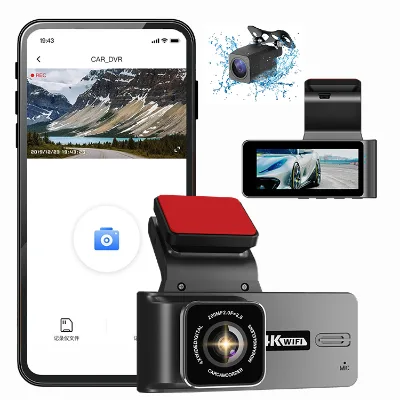
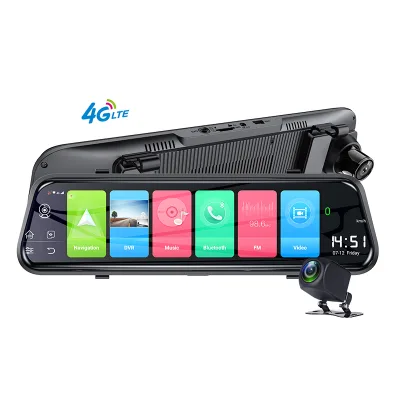
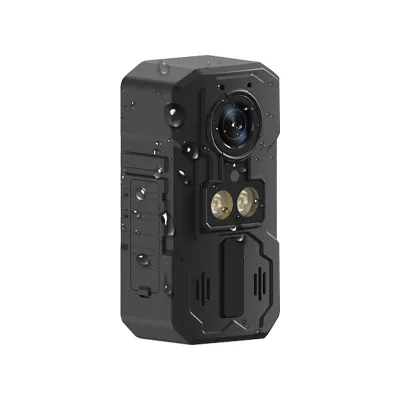
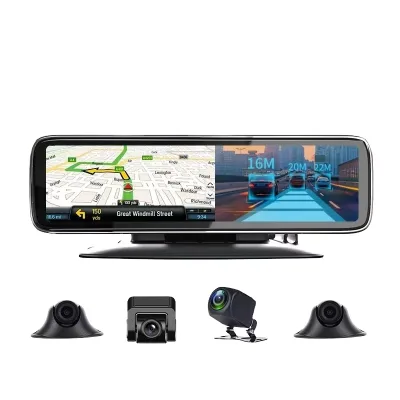
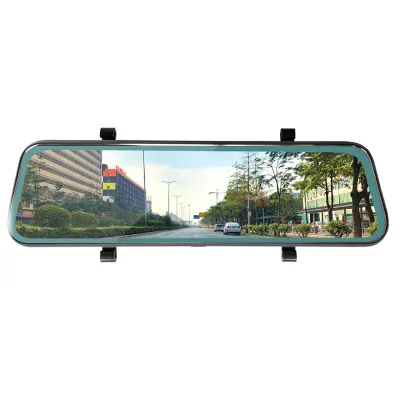
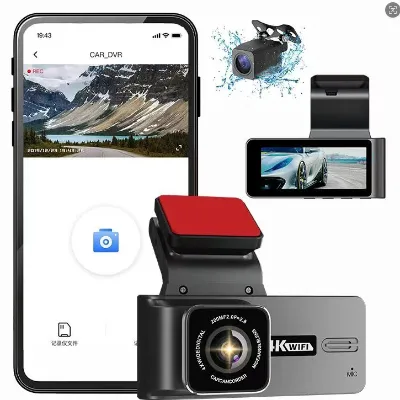
The current market for car black boxes exhibits a wide spectrum of configurations, ranging from compact single-lens units to sophisticated multi-camera systems designed for comprehensive vehicle monitoring. Observed listings indicate a price range of $5 to $249 USD, reflecting significant variation in component quality, feature sets, and brand positioning. Minimum Order Quantities (MOQs) typically span from 1 to 500 units, allowing flexibility for both small-scale retailers and large fleet operators. This diversity necessitates a clear definition of use cases, whether for personal vehicle protection, commercial fleet tracking, or insurance telematics integration.
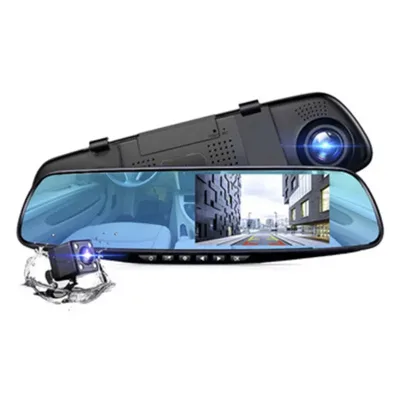
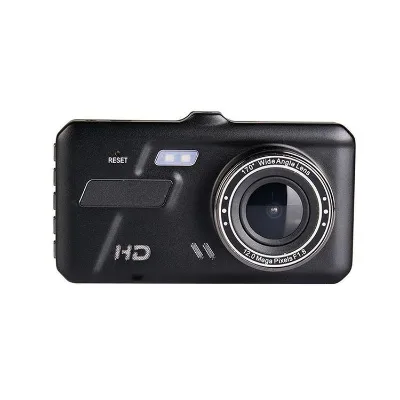
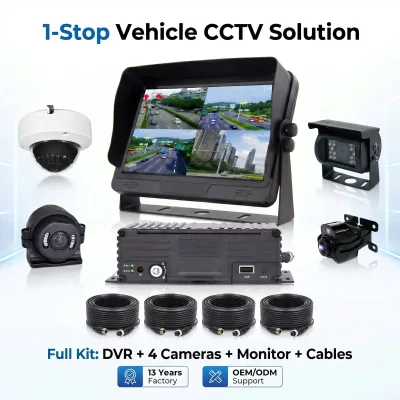
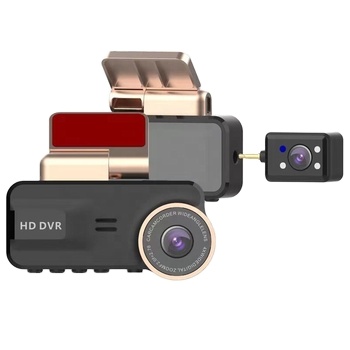
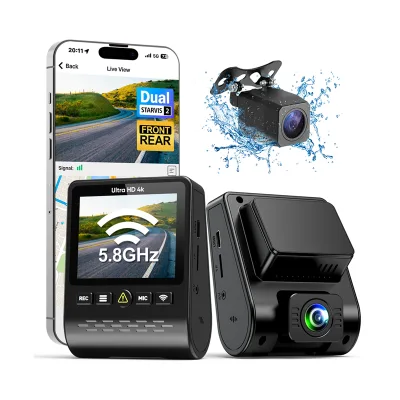
Key product attributes observed in the market include dual-lens configurations, wide-angle shooting capabilities, and specialized storage options. Many units feature a front camera with a 170-degree field of view and support for night vision, while others offer four-way camera setups for full vehicle coverage. Storage solutions vary, with some devices relying on built-in DDR memory and others supporting external TF cards up to 64GB. Buyers should carefully map these observed signals against their specific requirements, noting that higher pixel counts and wider angles do not always correlate with better low-light performance or data integrity.
Technical Specifications to Verify
Video resolution and frame rate are primary determinants of evidentiary value, with many modern units supporting Full HD 1080p output at 30fps. However, buyers must verify the actual effective resolution, as some listings may advertise 1080p while delivering lower effective clarity, such as 540tvl horizontal resolution. The sensor type is equally critical; CMOS sensors are prevalent, but the sensor size, often 1/3 inch, directly impacts light sensitivity and image noise in low-light conditions. Procurement teams should request sample units to test real-world video quality, particularly focusing on license plate readability at varying distances and speeds.
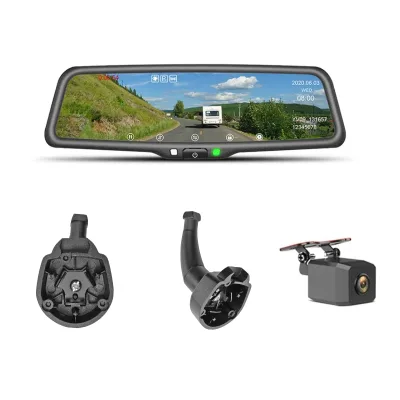
Hardware architecture and power management are vital for continuous operation in automotive environments. Processors like the Arm Cortex-A7 MP2 or Sigmastar Ssc8838q drive the recording logic, while operating systems such as Linux ensure stability during long-term recording sessions. Power input ranges typically span 9~32VDC, accommodating both standard passenger vehicles and larger commercial trucks. Buyers must also verify the inclusion of G-sensor technology for automatic incident locking and the robustness of the mounting system. Additionally, the physical dimensions and weight, often around 350g for larger units, must be considered to ensure discreet installation and secure attachment to windshields or dashboards.
Compliance and Safety Documentation
Regulatory compliance is a non-negotiable aspect of sourcing car black boxes, particularly for export to markets with strict electronic safety standards. Products often carry certifications such as CE, FCC, CCC, and RoHS, which indicate adherence to electromagnetic interference limits, radio frequency regulations, and hazardous substance restrictions. Buyers must verify the validity and scope of these certifications, ensuring they cover the specific model and voltage configurations being purchased. Missing or invalid certifications can lead to customs delays, product seizures, or liability issues in the event of electrical faults.
Safety documentation should also include detailed information on power consumption and thermal management. Given that these devices operate continuously in enclosed spaces within vehicles, adequate heat dissipation is essential to prevent overheating and potential fire hazards. Buyers should request test reports or manufacturer declarations regarding operating temperature ranges and short-circuit protection. Furthermore, data privacy compliance must be considered, especially for fleet applications where employee monitoring may be involved. Ensuring that the device’s data storage and transmission protocols align with local privacy laws is crucial for legal risk mitigation.
Cost Drivers and Commercial Terms
The total cost of a car black box is influenced by several factors, including the number of lenses, video resolution, storage capacity, and additional features like GPS or Wi-Fi connectivity. While the observed price range is broad, buyers should focus on the cost per unit at their target volume rather than the lowest listed price. Higher MOQs often unlock significant discounts, but they also increase inventory holding costs and risk. Procurement teams should negotiate tiered pricing structures that align with their sales forecasts, ensuring flexibility to adjust orders based on market demand.
Packaging and logistics costs also play a significant role in the overall procurement budget. Standard packaging often involves color boxes, with carton quantities typically set at 50 pieces per master carton. The dimensions and weight of the master carton, such as 373256.5cm and 18.5kg, impact shipping efficiency and warehousing requirements. Buyers should calculate the landed cost, including freight, insurance, and duties, to determine the true profitability of each supplier option. Additionally, payment terms and warranty policies should be clearly defined in the contract, with provisions for defective unit replacement and technical support.
Supplier Qualification and Quality Control
Supplier qualification begins with a thorough assessment of manufacturing capabilities and quality management systems. Buyers should verify the supplier’s production capacity, lead times, and history of fulfilling orders of similar scale. Requesting references from existing clients, particularly those in the automotive or electronics sectors, can provide insights into the supplier’s reliability and responsiveness. It is also essential to confirm that the supplier has a robust process for handling customization requests, as many buyers require branding or specific feature modifications.
Quality control measures must be integrated into the procurement process to ensure consistent product performance. This includes implementing pre-shipment inspections to verify visual defects, functional tests, and packaging integrity. Buyers should define clear acceptance criteria for video quality, power stability, and physical durability. Establishing a protocol for handling non-conforming products is equally important, ensuring that defective units are returned or replaced promptly. Regular audits of the supplier’s quality control processes can help identify potential issues early and maintain high standards across the supply chain.
Long-Term Procurement Checks
Long-term success in sourcing car black boxes depends on continuous monitoring of product performance and market trends. Buyers should establish a feedback loop with end-users to gather data on real-world reliability, battery life, and video clarity. This information can inform future purchasing decisions and help identify areas for improvement in product design or supplier selection. Additionally, staying informed about technological advancements, such as improved sensor technology or new connectivity standards, ensures that the sourced products remain competitive and relevant.
Supply chain resilience is another critical factor for long-term procurement. Buyers should diversify their supplier base to mitigate risks associated with geopolitical instability, raw material shortages, or production disruptions. Regularly reviewing supplier performance metrics, such as on-time delivery rates and defect percentages, helps maintain high standards and identifies potential issues before they escalate. By maintaining a proactive approach to supplier management and product evaluation, procurement teams can ensure a steady supply of high-quality car black boxes that meet the evolving needs of their customers.
FAQs
What certifications do the car black boxes have?
The products hold CE, FCC, CCC, and RoHS certifications. These standards ensure compliance with safety and environmental regulations for international markets, allowing for broader distribution without additional testing requirements.
How is the storage capacity configured for recording?
The device features 2GB built-in DDR and supports TF cards up to 64GB. This configuration allows for extensive driving data recording and video storing, ensuring sufficient space for high-definition footage during long trips.
Can the camera angle be adjusted for wide coverage?
Yes, the camera offers a wide angle of 120 degrees and a shooting angle of 170 degrees. This extensive field of view captures more road details, making it ideal for comprehensive driving data recording and safety monitoring.
What is the minimum order quantity for customization?
The minimum order quantity ranges from 1 to 500 units depending on the specific model. Customization is available for buyers who need tailored solutions, allowing flexibility for both small trials and large bulk procurement needs.
Which power input range is supported by the device?
The device supports a power input range of 9 to 32VDC. This wide voltage compatibility ensures reliable operation across various vehicle electrical systems without requiring additional voltage conversion hardware for installation.
What operating system runs the dash camera unit?
The unit operates on the Linux operating system with an Arm Cortex-A7 MP2 CPU. This stable software environment supports efficient video processing and reliable performance for continuous driving data recording and storage functions.